

Overview
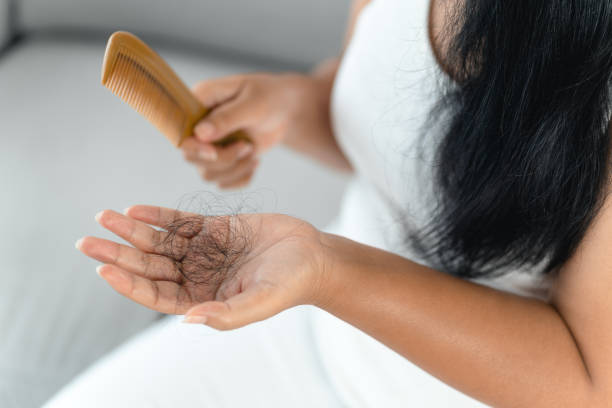
Millions of men and women throughout the world are concerned about hair loss. It might impact your entire body or just your scalp, and it can happen gradually or all at once. Although losing 50 to 100 hairs a day is normal, noticeable thinning or excessive hair loss could be an indication of a more serious problem. To identify effective therapies and stop additional harm, it is essential to comprehend the underlying reasons of hair loss. This article examines the most typical causes of hair loss and offers helpful advice on how to stop and manage it.
Important Characteristics and Typical Reasons for Hair Loss
- Genetic Variables (Androgenetic Alopecia)
Androgenetic alopecia, another name for hereditary hair loss, is one of the most prevalent causes of hair loss. This disorder, which is impacted by family history, usually presents as either male or female pattern baldness. While women typically have general thinning without a receding hairline, men frequently experience both a receding hairline and crown thinning.
- Unbalanced Hormones
Temporary or permanent hair loss may result from hormonal changes brought on by pregnancy, childbirth, menopause, or thyroid issues. Hormonal changes brought on by disorders like polycystic ovarian syndrome (PCOS) in women can also result in hair loss.
- Inadequate Nutrition
Iron, vitamin D, zinc, and biotin are among the vital elements that might weaken hair follicles and interfere with hair development. The risk of hair loss might be considerably increased by a poor diet or specific medical disorders that impair nutritional absorption.
- Trauma and Stress
Telogen effluvium is a term used to describe temporary hair loss brought on by physical or emotional stress, such as surgery, sickness, or a terrible life event. Hair loss brought on by stress normally starts a few months after the stressful incident and goes away with time.
- Medications and Health Issues
Hair loss may result from some medical conditions such as autoimmune illnesses, scalp infections, or alopecia areata. Furthermore, hair loss is a possible adverse effect of some drugs used to treat high blood pressure, depression, arthritis, and cancer.
- Bad Hair Care Routines
Tight hairstyles (such braids or ponytails), chemical treatments, and frequent use of heat styling tools can harm hair follicles and shafts. Breakage and traction alopecia, a form of hair loss brought on by stress on the scalp, may result from this over time.
Tips for Prevention and Management
- Keep a Balanced Diet
A range of vitamins, minerals, and proteins that are necessary for healthy hair should be included in your meals. Foods high in iron, antioxidants, and omega-3 fatty acids promote healthy hair and a healthy scalp.
- Lower Your Stress Levels
To reduce stress-related hair loss, practice stress-relieving techniques like yoga, meditation, or consistent exercise.
- Treat Your Hair with Care
Use gentle shampoos and conditioners and refrain from using harsh styling techniques. To strengthen and nourish your hair, use natural oils like coconut or argan.
- Address underlying medical conditions
For an accurate diagnosis and course of treatment, speak with a healthcare provider if you think a medical problem is the source of your hair loss. Hair growth can be restored by addressing the underlying problem.
- Make Use of Clinically Authorized Interventions
For some forms of hair loss, over-the-counter treatments like minoxidil or prescription drugs like finasteride may work well. A dermatologist should always be consulted before beginning any kind of treatment.
In conclusion
Finding the best cure for hair loss requires first recognizing its reasons, which can be upsetting. There are several strategies to control and stop hair loss, regardless of the cause—genetics, hormone fluctuations, dietary deficiencies, or lifestyle choices. You can safeguard your hair and encourage long-term growth and vitality by leading a healthy lifestyle, taking good care of your hair, and getting medical help when necessary. Keep in mind that early intervention is crucial; don’t overlook hair loss symptoms and act right away.