

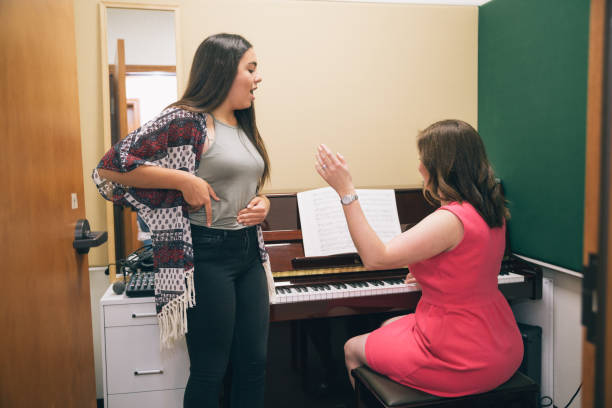
Introduction
I didn’t get why everyone was suddenly signing up for singing classes until I tried one myself. Social media is flooded with people showing off their progress clips—sometimes it’s cringe, sometimes it’s impressive. But here’s the thing: singing isn’t just belting out Mariah Carey notes in the shower. Proper classes can actually help you hit notes you didn’t even know existed in your voice. Plus, it’s a weird confidence booster. I remember one of my classmates, a super shy guy, could barely talk in meetings. Fast forward three months of weekly singing classes, and he’s literally singing at office parties like he was born to perform. So yeah, it’s part skill, part therapy, part social life upgrade.
How Singing Classes Improve Your Voice (and Your Life)
It’s wild how much a few exercises can change your tone. You learn breathing, control, diction—basically everything that makes your singing sound less like a cat in distress. And here’s the cool part: these skills sneakily improve your speaking voice too. Ever notice how some people just command attention when they talk? Guess what—they probably didn’t learn it overnight; a lot of it comes from vocal exercises that singers do daily. Even if you think you have no musical bone in your body, the right teacher can unlock a voice you didn’t know was there. I’ve personally seen people go from barely humming to performing in front of a crowd, which is insane if you think about it.
Online Classes vs In-Person Classes: Which Actually Works?
Here’s a funny thing—during the pandemic, I tried an online singing course and thought it would be a disaster. Turns out, it was actually… decent. Sure, you miss the “oh my god, your posture is all wrong” vibe from a real teacher, but online classes have flexibility and a ton of tools—like video feedback, apps to tune your pitch, and communities to share progress. On the flip side, in-person classes feel more motivating. Nothing like having someone look you in the eyes and tell you, “No, stop choking your notes, breathe!” to make you actually pay attention. Honestly, if money and time aren’t an issue, do both. Your neighbors might hate you a little, but your voice will thank you.
Is It Just About Singing or More Than That?
Singing classes aren’t just about hitting high notes. They’re about discipline, focus, and patience—skills you didn’t even know you were learning. Think of it like leveling up in a video game. You start with the basic skills, then slowly unlock breathing techniques, pitch control, and stage presence. And the weirdest bonus? Stress relief. I never thought vocal exercises could be my therapy, but yelling into a mic with guidance is surprisingly satisfying. You end up feeling lighter, more confident, and sometimes even happy in a way that scrolling Instagram can’t fix.
Conclusion
Okay, this is where people screw up. Not all classes are made equal. Some promise fame and a Grammy in six months (yeah, right). Look for teachers with experience, preferably who actually perform, not just teach theory. Check reviews, maybe watch a demo lesson on YouTube, and if possible, try a trial class. A good class should feel challenging but not scary, fun but not chaotic. And don’t get hung up on style—pop, rock, classical, rap—it’s all singing.