

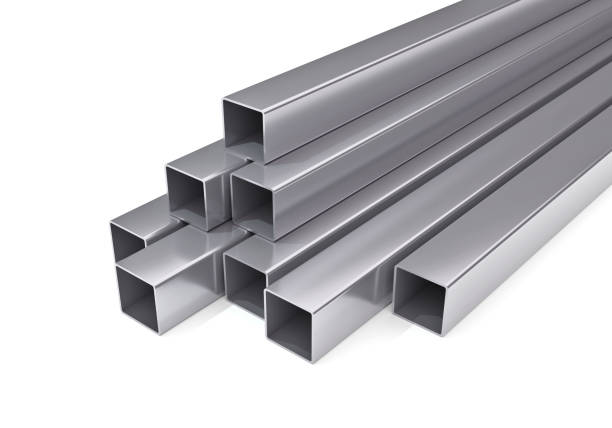
Steel is funny. It’s everywhere but nobody really talks about it unless a bridge falls or prices spike on Twitter. I started noticing Ms square when a fabricator friend wouldn’t shut up about “square sections being cleaner than angles.” At first I thought he was just being picky. Turns out, there’s a whole quiet logic behind it. This plain-looking steel shape ends up holding gates, machines, furniture frames, and half the things you lean on without knowing it.
What makes it interesting isn’t that it’s fancy. It’s that it isn’t. Mild steel square sections are like the white sneakers of construction. Not exciting, but somehow always right.
Steel That Doesn’t Try Too Hard
Mild steel itself is kind of the chill cousin in the steel family. Lower carbon, easier to weld, easier to cut, doesn’t crack up on you if someone on site messes up the heat. Square sections add to that calm energy. Equal sides, balanced load, no drama.
If round pipes are like rolling bottles and angles feel like L-shaped brackets from your old desk, square steel just sits there confidently. It distributes stress more evenly, especially in frames. That’s one reason workshop guys prefer it even if it costs a tiny bit more sometimes. Less rework. Less swearing.
I once watched a guy on a factory floor test a frame by standing on it. Very scientific method. The square section didn’t flinch. He nodded like the steel had passed an exam.
Why Fabricators Secretly Love It
Nobody posts viral reels about steel sections, but if you scroll niche Instagram pages or those oddly addictive YouTube shorts from Indian workshops, you’ll see square sections popping up again and again. Gates, stair railings, trolley frames, solar panel mounts. The comment sections are wild too. People arguing about wall thickness like it’s cricket stats.
One underrated reason square steel gets love is alignment. When you’re welding or bolting, straight edges are your best friend. With square sections, measuring feels less like guesswork. You don’t need to keep rotating the piece to “see if it’s straight.” It just is.
Also, fun but boring stat I came across while doom-scrolling late night forums: in small to mid-scale fabrication units, square and rectangular hollow sections together account for nearly half the structural steel used outside of major infrastructure. No headlines. Just quiet dominance.
The Money Side Nobody Explains Properly
People think steel choice is all about strength. It’s not. It’s about time and waste. Mild steel square sections save money in ways Excel sheets don’t show clearly.
Cutting is faster. Welding is simpler. Surface finishing looks cleaner, which matters when the steel is visible. If you’re making furniture frames or architectural railings, aesthetics matter more than engineers like to admit.
Think of it like buying pre-cut vegetables. Sure, whole veggies are cheaper, but the time and mess add up. Square steel is kind of pre-cut thinking.
Prices fluctuate a lot though. Anyone who watched steel prices during the last few years knows it’s like crypto but without memes. One week your supplier is calm, next week he’s sending voice notes explaining “market situation.” Still, square sections often hold steadier demand compared to niche profiles.
Strength Without Showing Off
Another thing people miss is torsional strength. Square sections resist twisting better than flat bars. That’s a big deal in frames that face uneven loads. Gates swinging, machines vibrating, structures dealing with wind. Steel doesn’t complain, it just slowly bends if you chose wrong.
I learned this the annoying way. A project I worked around used flat sections to save cost. Looked fine for months. Then slight warping started. Not dramatic, just enough to make doors misalign. The fix cost more than if square sections were used from day one. Classic penny wise moment.
What Online Chatter Gets Right and Wrong
Reddit threads and WhatsApp groups are full of half-truths about steel. One popular myth is that square sections are always heavier. Not true. Weight depends on wall thickness, not shape alone. A thin-wall square can be lighter than a thick flat.
Another myth is corrosion resistance. Shape doesn’t stop rust. Paint, coating, and environment do. Steel left angry and exposed will rust no matter how symmetrical it looks.
But the chatter gets one thing right. Versatility. Square steel adapts. Industrial, residential, temporary structures, even DIY gym racks. I’ve seen people build squat racks that look safer than commercial ones.
The Quiet Role in Everyday Stuff
Look around and you’ll see square steel hiding in plain sight. Bed frames, tables at cafes, bus stop structures, warehouse racks. It’s like background music. You only notice when it’s missing.
Designers like it because it looks modern without trying. Engineers like it because calculations stay predictable. Fabricators like it because it behaves. Three rare approvals at once.
There’s also something satisfying about working with it. Clean cuts, neat joints. Steel that doesn’t fight back too much. Maybe that’s just me romanticizing metal, but still.
Ending Where It Actually Matters
In the end, steel choices are less about textbooks and more about real-world headaches. Mild steel square sections reduce those headaches quietly. They don’t trend, they don’t go viral, they just work. And in construction, that’s almost luxurious.
If you’re picking material for frames, supports, or anything that needs to stay straight without constant babysitting, Ms square earns its spot. Not because it’s perfect, but because it’s reliably boring in the best possible way.