

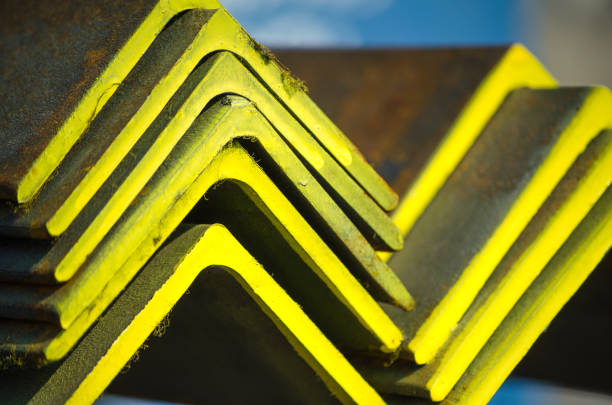
I didn’t think I’d ever write this much about steel angles, honestly. But once you start noticing how often they show up in real projects, it’s hard to unsee. The first time I properly learned what a Ms angle was, I was sitting at a small fabrication shop, watching a guy argue with a supplier over WhatsApp voice notes. That angle piece was holding up half a staircase design. Miss it, and the whole thing felt shaky, like a chair with one short leg.
Mild steel angles don’t get the love that shiny sheets or fancy beams do. They’re quiet workers. Kind of like that one coworker who never speaks in meetings but somehow finishes all the tasks.
What a steel angle actually does in real life
If I explain it in textbook terms, it’ll sound fake. So let’s keep it simple. An MS angle is basically an L-shaped steel piece that gives strength at corners. Corners are weak points, whether it’s in buildings or even in cardboard boxes. You know how a pizza box folds weirdly if the corner is crushed? Same logic, just heavier consequences.
In structures, these angles sit at joints, frames, racks, stair supports, gates, even solar panel mounts. Without them, a lot of setups would feel unstable, especially under load. It’s not glamorous, but it works. And mild steel makes it affordable, which is why it’s everywhere from small workshops to big construction sites.
I once saw a guy try to save money by skipping angles in a storage rack. Two months later, the rack leaned like it was tired of standing. Lesson learned.
Why mild steel over everything else
People online keep debating materials like it’s a cricket match. Stainless steel fans on one side, aluminum lovers on the other. But mild steel just quietly wins on practicality. It’s strong enough, flexible enough, and doesn’t punch your budget in the face.
One lesser-known thing is how forgiving mild steel is during fabrication. Welders love it. Cut it wrong? You can still fix it. Bend went slightly off? Not the end of the world. Try doing that with brittle materials and you’ll hear cracking sounds nobody likes.
There’s also this misconception floating around Instagram reels that MS rusts instantly. That’s half-true at best. Yes, it can rust, but with proper coating or paint, it lasts way longer than people expect. Some old industrial sheds still standing today are basically angle frameworks holding memories from decades ago.
Sizes, thickness, and all the confusing choices
This is where beginners usually get overwhelmed. Equal angle, unequal angle, thickness options that sound like math homework. But think of it like shoes. You don’t wear the same shoes to a wedding and a construction site. Same idea.
Thicker angles are for heavy loads, machinery frames, or structural support. Lighter ones work fine for shelves, brackets, or fencing. Unequal angles come into play when load distribution isn’t balanced, which happens more often than people admit.
I once mixed up sizes while writing specs and the vendor called me back saying, “Madam, this won’t survive wind, forget weight.” Embarrassing, yes. Useful lesson, also yes.
Market demand and what people aren’t really talking about
Here’s something not many blogs mention. Demand for MS angles spikes quietly with infrastructure announcements. Roads, warehouses, metro extensions, solar farms. You won’t see trending hashtags for it, but suppliers feel it immediately.
On LinkedIn, fabricators complain about fluctuating steel prices like it’s a personal betrayal. On Reddit-type forums, small contractors share hacks on sourcing reliable angles without getting shorted on thickness. There’s real chatter if you listen.
One niche stat I came across while researching is that small-scale fabrication units consume more angle steel collectively than a few large factories combined. Makes sense when you think about how many small projects run at the same time across cities.
Quality matters more than people admit
This might sound obvious, but a bad angle is worse than no angle. Uneven edges, inconsistent thickness, poor finishing. These things cause alignment issues later, and then everyone blames the design.
Good suppliers usually maintain tighter tolerances. The angle sits flush, welds clean, and doesn’t twist under load. That reliability saves time on-site, which indirectly saves money. People rarely calculate that part.
I’ve seen contractors reject whole batches just because the angles didn’t sit right when placed together. Annoying in the moment, but smarter in the long run.
Where steel angles quietly shape everyday life
Look around next time you’re walking. Railings, bus shelters, signboards, warehouse racks behind supermarkets. All of them probably rely on MS angles somewhere in their skeleton.
Even home interiors use them now. Industrial-style furniture, loft beds, wall-mounted desks. Designers won’t say it loudly, but angles make their Pinterest dreams stand upright.
It’s funny how something so basic supports both heavy industry and trendy cafés.
Wrapping my thoughts without actually wrapping
I won’t pretend I love writing about steel all day, but understanding materials like this gives you a weird respect for construction logic. The last thing I’ll say is that choosing the right angle isn’t about buying the cheapest option. It’s about matching the job, the load, and the environment.
If you’re dealing with larger structural needs or repeated fabrication work, checking proper specs for MS Angles becomes unavoidable. And yeah, suppliers matter more than flashy descriptions. I’ve learned that the hard way, twice actually.
Near the end of a project, when everything stands straight and nothing wobbles, that’s when you silently thank MS Angles for doing their job without asking for credit.