

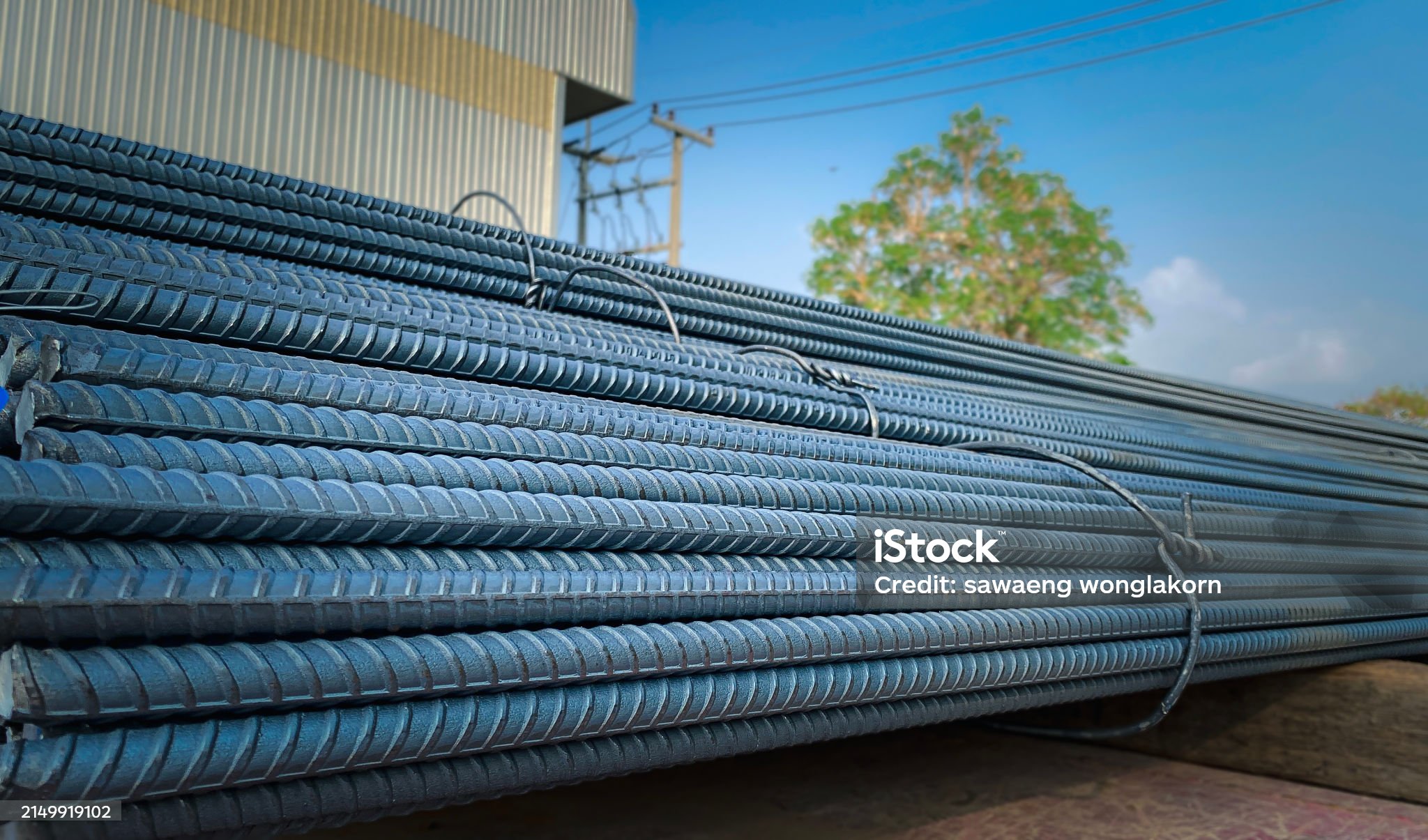
I still remember standing at a dusty construction site last year, phone in one hand, tea in the other, arguing with a contractor about quality versus cost. He wanted cheaper steel, I wanted something that won’t crack five monsoons later. Somewhere in that back-and-forth, Tmt bars came up, and honestly, that conversation kind of sums up how most people in construction think. Everyone wants strength, but nobody wants to overpay. Fair enough, I guess.
Steel feels boring to write about sometimes, but when you see a half-finished building shaking slightly because of heavy trucks passing by, it stops being boring real quick. Reinforcement steel is like the bones in your body. You don’t see them, but if they’re weak, the whole thing is a mess. I’m not a structural engineer, just someone who’s been writing about construction materials long enough to know where shortcuts hurt later.
What People Don’t Talk About When Choosing Steel
Here’s the funny part. Most discussions around steel online are super technical or way too polished. Yield strength this, elongation that. On Twitter (or X or whatever it’s called now), you’ll see site engineers casually complaining how suppliers oversell “premium quality” and then disappear when there’s a bend test issue. That kind of chatter rarely makes it to official blogs.
From my experience, builders don’t actually want complicated explanations. They want something reliable that behaves the same way every time. Think of it like buying milk. You don’t analyze fat percentage daily, you just want it to taste the same and not spoil early. Steel is similar. Consistency matters more than fancy claims.
One lesser-known thing I found while digging through some old industry notes is that improper cooling during manufacturing can mess up internal strength even if the surface looks perfect. That’s scary because on-site, everything looks fine until it doesn’t.
Where Angles, Beams, and Reinforcement Quietly Meet
Since this is a steel angle products space, it makes sense to say this out loud. Reinforcement bars and angle sections usually work together, even if they don’t get equal attention. Angles hold frames, staircases, sheds, and support structures. Reinforcement bars strengthen the concrete that connects it all.
I once saw a small factory shed near Raipur where they used solid angle sections but compromised on internal reinforcement. Looked great for two years. Then cracks appeared like spider webs. It reminded me of those cheap shoes that look stylish until the sole suddenly gives up mid-walk. Lesson learned, by them and by me.
Steel angles take care of visible strength, but reinforcement bars handle hidden stress. Ignoring either is like locking your front door and leaving the windows open.
Why Raipur Keeps Coming Up in Steel Conversations
Raipur doesn’t get enough credit outside industry circles. People talk about Mumbai or Jamshedpur when steel is mentioned, but Raipur quietly supplies a massive chunk of central India. There’s a reason contractors keep sourcing from here. Shorter transport, steady supply, and pricing that doesn’t change mood every week.
I’ve noticed on LinkedIn posts from procurement managers that regional sourcing is becoming a bigger deal. Fuel prices go up, logistics costs follow, and suddenly local steel makes more sense. It’s not about patriotism or anything emotional, it’s just math.
Also, fun fact I stumbled on recently: smaller regional mills often adapt faster to market demand compared to massive plants. They tweak production quicker. Not always perfect, but flexible.
Quality Checks That Sound Boring But Save You Later
Nobody likes quality checks. They slow things down. But skipping them is like skipping a doctor visit because you “feel fine.” Bend tests, chemical composition, rib patterns. Yeah, sounds dull. But I’ve seen enough site supervisors rant in WhatsApp groups about rejected batches to know this matters.
There’s also this myth floating around that higher grade automatically means better for all uses. Not true. Overengineering wastes money. Underengineering risks lives. The trick is balance, and sadly, that part doesn’t get enough attention online.
Sometimes I feel writers like me also mess this up by oversimplifying. Strength isn’t just about numbers, it’s about how steel behaves with concrete, weather, and time.
Real Talk About Pricing and Trust
Let’s be honest. Price drives decisions more than brochures. I’ve seen builders switch suppliers for a difference that barely covers lunch. Then complain six months later about inconsistent supply. That’s not strategy, that’s gambling.
What seems to work better is sticking to suppliers who don’t overpromise. Social media comments often reveal this. A brand might have glossy ads, but scroll down and you’ll find comments like “delivery late again” or “material okay but service poor.” Those little remarks are gold if you pay attention.
Ending Where Construction Actually Begins
At the end of the day, buildings don’t care about marketing. They respond to physics. Gravity, load, vibration, weather. Everything adds up slowly. That’s why choosing the right reinforcement matters just as much as selecting good angles, beams, and channels.
I’m not saying one product solves everything. But I’ve learned that using Tmt bars that come from a trusted source makes coordination easier, stress lower, and sleep better. Especially when they work well with steel angle structures that carry visible loads.
Maybe that’s not the most technical conclusion, but it’s real. Construction is already complicated. Your materials shouldn’t add drama to it.