

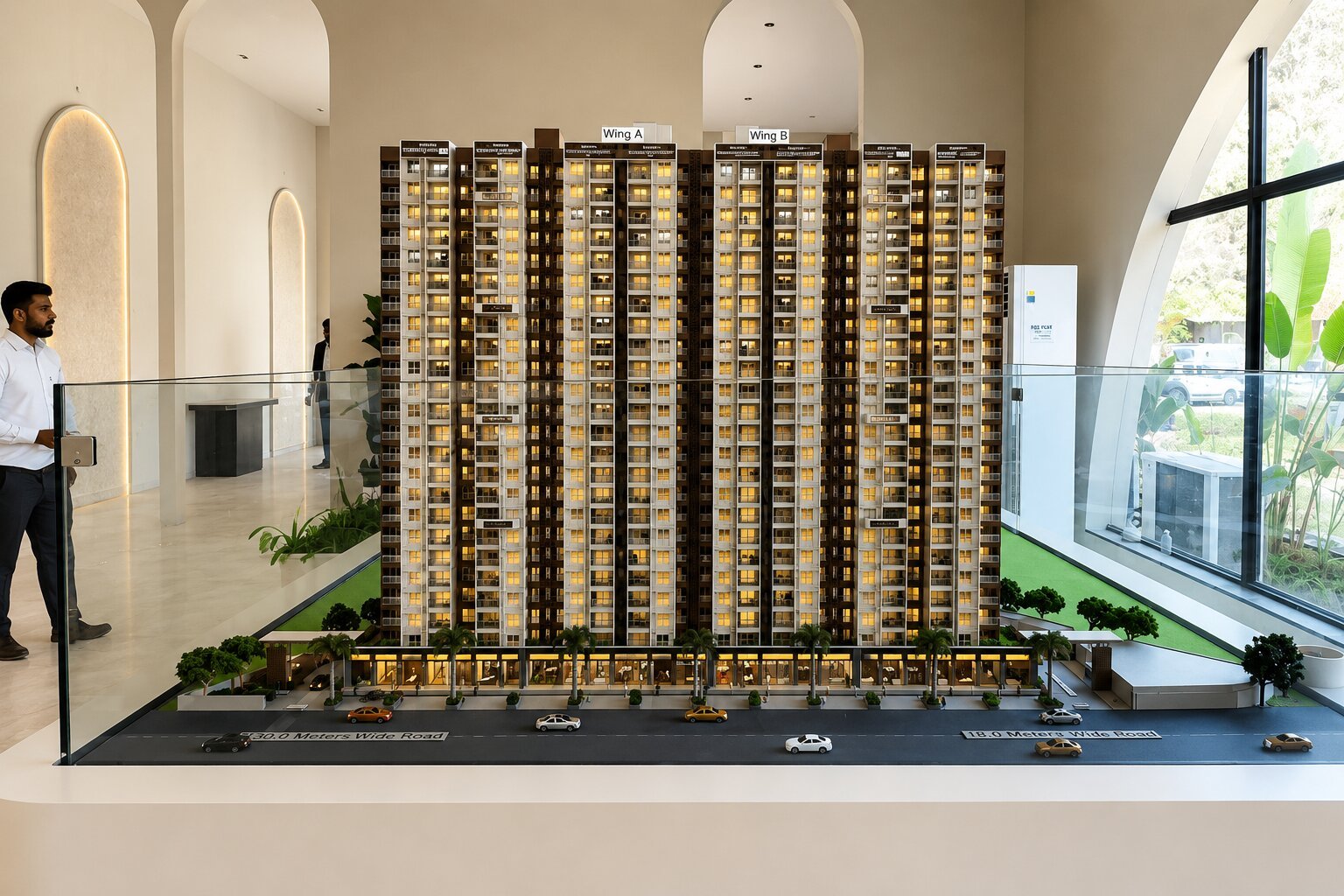
Architects are used to controlling every line on a drawing. Then comes the moment when someone else has to turn those lines into a physical object, and a bit of nervousness sets in. Will they understand the proportions? Will they respect the idea? Will it arrive on time?
Those worries are fair, and most of them can be handled with a good choice of partner and a clear working method. This guide is written for architects and design teams who are about to hire an architectural model maker india and want the process to feel less like a gamble.
Decide What the Model Is For
A model can serve very different goals. It might be a quick study piece for the design team, a presentation model for a client meeting, a competition entry or a sales display. Each one calls for a different level of finish, and each one has a very different price.
Write the purpose down in a sentence. “A white massing model to discuss the podium with the client” leads to a completely different brief from “a fully finished model for the launch event.” When the maker knows the purpose, they can suggest the right materials and avoid spending your budget on detail nobody will notice.
Prepare Drawings the Maker Can Use
Makers work from your drawings, so the quality of what you send decides how quickly they can start. Send plans, sections, elevations and a site plan in clear formats. If you have a 3D file, include it, but also include the 2D drawings because they often carry notes that the 3D file doesn’t.
Mark the key features. If the building’s identity depends on a fretted screen, a floating roof or a sunken courtyard, say so. Include material and colour notes, even if they’re rough. A short cover sheet listing the scale you want, the size of the display space and the delivery date saves a surprising number of emails.
Look at Past Work With a Critical Eye
When you review a studio’s portfolio, look beyond the pretty photos. Check how clean the joints are, how consistent the window details look and whether the landscaping feels natural. Look for projects of a similar type and scale to yours. A studio that’s excellent at small villas might not have the experience for a large mixed-use campus.
It’s also worth asking what role the studio played. Some firms resell work done elsewhere. Ask whether the model was built in-house and whether you can see the workshop.
Ask How They Handle Design Changes
Design isn’t static. Between the first meeting and the final delivery, you’ll probably tweak something. The way the maker deals with changes tells you a lot about how the project will go.
Ask how changes are logged, how they affect cost and how they affect the schedule. A sensible studio will say something like, “Minor changes before painting are included. Larger changes after that are quoted separately.” Vague answers lead to disputes. It’s also a good idea to agree on a freeze date, after which changes will push the delivery.
Talk Honestly About the Budget
Many architects feel awkward discussing money with a maker, but being open pays off. If you say, “We have this range,” the studio can design the model around it. They might suggest a smaller scale, simpler landscaping or a plain finish for secondary blocks, and keep the main building detailed.
Ask for the quote in parts: structure, base, landscaping, lighting, case and delivery. That lets you compare studios fairly and decide which parts to trim. A single lump figure hides too much.
Protect Your Design Information
Drawings for unreleased projects are sensitive. Developers often ask architects to keep details private until a launch. It’s reasonable to ask the maker to treat your files as confidential, and a professional studio won’t mind. Some will sign a short agreement if you ask.
Also clarify ownership. The model belongs to you once it’s paid for, but the studio may want to photograph it for their portfolio. Agree on whether and when that’s allowed, especially for pre-launch projects.
Visit the Workshop if You Can
Nothing replaces an hour in the workshop. You’ll see the machines, the paint area, the storage racks and, most importantly, the models in progress. Look at how tidy the benches are and whether work is wrapped and labelled. Ask who’s responsible for each stage, from cutting to painting.
A visit also lets you meet the people who’ll build your model. Many architects find that a short conversation with the lead maker tells them more than five emails. You can talk through a tricky detail, hold a sample in your hand and judge the quality of the finish. It’s a small time investment that often prevents bigger problems.
Be Clear About Which Details Matter
Architects often assume that makers will know which elements carry the design. They won’t, unless you tell them. A model has limited room for detail, so the maker needs your guidance about priorities.
Mark the three or four features that define your building. It might be the shape of the roof, the rhythm of the façade, the relationship between two volumes or the way the building meets the ground. Those get the best effort. The rest can be treated more simply. Sharing a quick sketch or a reference photo helps a great deal here.
Communication Style Matters
You’ll be in touch with this team for weeks, so how they communicate matters. Do they reply promptly? Do they ask smart questions? Do they send progress photos without being prompted? Do they flag problems early?
You’ll quickly sense whether the studio treats you like a partner or a ticket number. A team that says, “We noticed the roof slope is different in the section and the elevation, which one is right?” has understood your drawings. A team that never asks anything probably hasn’t looked closely.
Timeline and Milestones
Ask for a schedule with clear milestones. A typical plan has a start date, a drawing review stage, a sample or structure approval, a finishing stage and a delivery date. Knowing these points lets you plan your own reviews and avoid last-minute panic.
Be realistic about your side of the schedule too. If you take a week to answer a question, the studio can’t hold a deadline. Appoint one decision-maker on your team to respond quickly, and share the contact details with the studio.
Check Packing, Delivery and Installation
The model’s journey is easy to overlook. Ask how it will be packed, whether it’s insured and who will install it. If it’s going to a client’s office or an exhibition, ask whether someone from the team can be on site. Finding a broken tower in a crate with no repair kit is a nasty surprise.
For long distances, ask about the crate design and handling instructions. For overseas shipments, check whether the studio has handled export paperwork before.
Evaluate After Delivery
Once the model is in place, review it properly against the brief. Look at the scale, proportions, details and finish from various angles. Note anything that needs correction and send it in writing. Professional studios expect a final round of tweaks and will usually fix small issues quickly.
It’s also a good moment to give feedback on the whole process, positive and negative. Studios value this, and it helps the next project run better.
Sample First on Big Jobs
For large or expensive models, ask for a small sample before the full build. It might be one tower, a corner of the base or a square of landscaping, finished in the colours and materials you’ve chosen. It costs a little, but it lets you check paint, texture and detail before committing. If something looks off, it’s far easier to fix on a sample than on a finished model.
Samples also show you how the team responds to feedback. Do they listen? Do they suggest improvements? Those answers matter as much as the sample itself.
Building a Long-Term Relationship
If the first project goes well, consider working with the same studio again. A team that already knows your drawing style, your standards and your preferences will work faster and ask fewer questions. Many practices keep one or two trusted makers on call for exactly this reason.
Final Thoughts
Hiring a maker isn’t a leap of faith if you do the groundwork. Know the purpose, prepare good drawings, review real work, discuss budget openly and agree on milestones. Those steps put you in control without micromanaging.
The right architectural model maker india will respect your design, offer practical advice and deliver something you’re glad to put your name next to. Take the time to find a team like that, because a model speaks for your design when you’re not in the room. When you find a trustworthy architectural model maker india, hold on to them, and you’ll find every project after that a little smoother.